







Search Results for: collaboration conventions
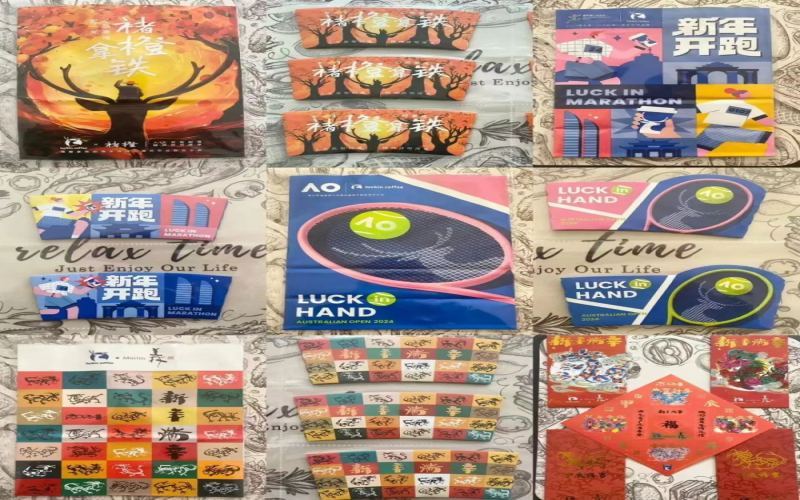
Starbucks Year of the Dragon cup sleeves break convention, marking a turning point in co-branded packaging strategy
Collaboration campaigns by coffee chains usually come with limited-edition cup sleeves, stickers, and paper bags, while Starbucks has long stuck to its classic brown paper bags and green logo, a habit consumers jokingly call "unchanged for a decade." Yet during the Chinese New Year of the Dragon, Starbucks unexpectedly rolled out three limited-edition dragon-year cup sleeves, sparking widespread discussion. Netizens jokingly dubbed this move "a decision that betrays the ancestors," and it was also seen as a new attempt by Starbucks at localizing in the Chinese market. Against the backdrop of accelerating store expansion into lower-tier cities and insisting on not engaging in price wars, can Starbucks win over more consumers through limited-edition packaging? This article takes you through the details. [more…]

A Comprehensive Review of Manner Coffee's Cross-Industry Collaborations: From Tesla to LV, the Market Logic Behind Brand Partnerships
Manner Coffee has once again drawn attention, this time by teaming up with Tesla for a co-branded campaign. As a recognized master of collaborations in the coffee world, Manner's cross-industry footprint has already covered automobiles, luxury goods, beauty, sports, and many other sectors. From NIO to LV, from Helena Rubinstein to Allbirds, each partnership has precisely captured the brand tone, creating a win-win of both buzz and sales. This article will review Manner's major co-branding cases over the years, analyze the brand strategy and consumer psychology behind its success, and include professional information recommendations from Front Street Coffee. [more…]
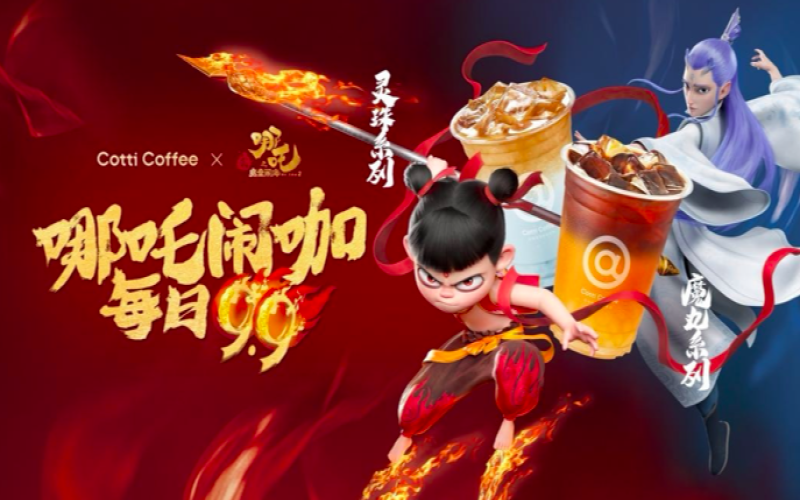
Cotti Coffee teams up with "Ne Zha 2" to revamp merchandise redemption rules: no speed race, no quantity limits, drink vouchers valid at all stores
"Ne Zha 2" has surpassed 1.49 billion yuan at the box office, becoming the biggest winner of the Spring Festival season, with Cotti Coffee, Chagee, and Good Me securing co-branding rights from among numerous competitors. Cotti was the first to announce its collaboration details, launching 12 combo packages, each containing one voucher for any drink on the menu and one limited-edition merchandise item, with no cap on merchandise quantities, no need to rush-buy, and drink vouchers valid nationwide within three months. This unconventional move was praised by netizens as "treating consumers like human beings," standing in sharp contrast to the previous co-branding model of limited quantities, bundled sales, and two-cup minimums, and putting pressure on Chagee and Good Me, which have yet to announce their own terms. [more…]
Luckin's co-branded Xiaoliu Duck is available only through online channels, leaving consumers who went to stores empty-handed and sparking heated discussion.
On August 29, Luckin Coffee's co-branded campaign with the cartoon IP Little Liu Duck officially launched, but it sparked consumer dissatisfaction because participation was limited to online channels only. Many fans rushed to stores early in the morning only to find nothing, and later discovered that the campaign was actually run by Luckin Instant Coffee, which belongs to a different system from the offline stores. The co-branded merchandise was available only as gifts, not for sale, including limited-edition items such as thermos cups, stickers, and desk mats, and had already attracted widespread attention during the teaser phase. However, the mismatch between online and offline information left many consumers disappointed and also triggered discussions about brand co-branding strategies and the essence of coffee. [more…]
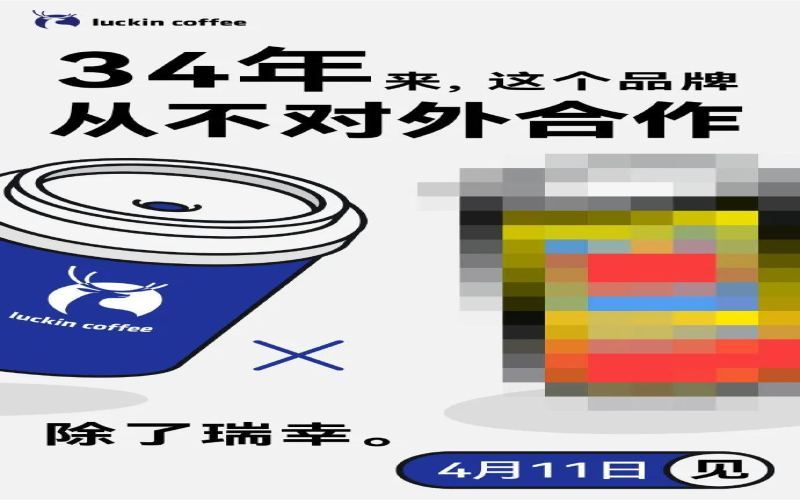
Coconut Palm brand coconut milk collaborates with Luckin Coffee for the first time in 34 years — what sparks fly when a beloved heritage brand meets the coconut latte craze?
National drink Coconut Palm Coconut Juice breaks its 34-year tradition of "no collaboration with outside parties" for the first time, launching a dream crossover with Luckin Coffee. One is a time-honored coconut juice brand whose formula and packaging have remained unchanged for decades, while the other is a chain coffee brand that sparked the coconut latte craze. This collaboration is both driven by market trends and an attempt by an old brand to seek a new wave of attention. The co-branded cup sleeves continue Coconut Palm's iconic color-block layout style. Although the new products will not officially launch until April 11, some stores have already begun using the co-branded cup sleeves for预热. Can this collaboration replicate the sales miracle of the coconut line? And why did Coconut Palm Coconut Juice choose to "break out of its circle" at this moment? This article will take you through the development history of Coconut Palm and analyze the background and highlights of this collaboration. [more…]
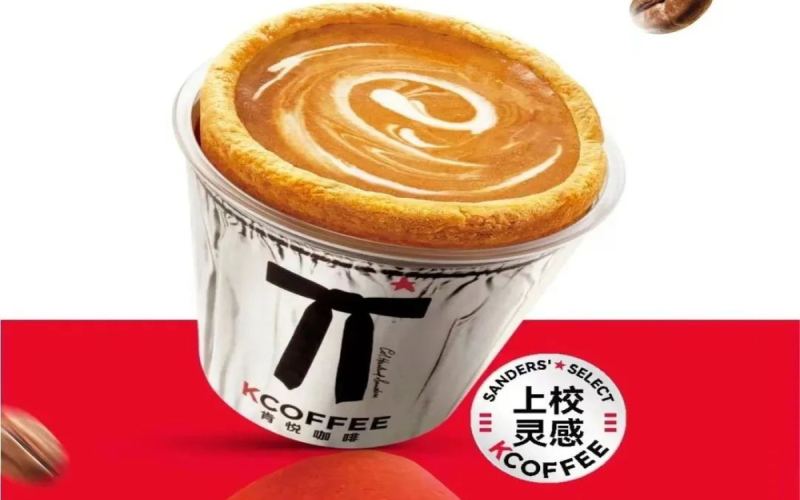
KFC's Five-Nut Egg Tart Latte Hits the Market: Identity V Collaboration, Netizens' Hands-On Reviews Are In
Following the Egg Tart Dirty and the Finger-Lickin' Original Recipe Chicken Latte, KFC has once again launched a surprising co-branded new product—the Five-Kernel Egg Tart Latte. This coffee, created to celebrate the seventh anniversary of the mobile game "Identity V," officially went on sale on April 1, and purchasers receive a collaborative cup sleeve and greeting card set. However, is this product, which forcibly combines five-kernel filling, egg tart, and latte, a stroke of creativity or sheer absurdity? Netizens' reviews after actually trying it are thought-provoking. This article sorts out the details of the new product, taste feedback, and KFC's bizarre R&D trajectory in recent years. [more…]

Luckin's Asian Games bet on Wang Shun pays off again, how short-cycle business collaborations achieve a win-win for brand voice
During the Hangzhou Asian Games, Chinese swimming star Wang Shun won gold in the men's 200m individual medley final and broke the Asian record, and Luckin Coffee once again precisely bet on this champion athlete. From Eileen Gu at the Winter Olympics to Wang Shun at the Asian Games, Luckin has shown a unique rhythm in sports marketing of "whoever they sign gets hot." This article will sort out the timeline of Luckin's collaboration with Wang Shun this time, its marketing playbook, and the strategy behind it, while also exploring the difference between its short-cycle business cooperation model and formal endorsements. As coffee lovers, we also see from this wave of operations how brands leverage sports hype to achieve simultaneous gains in visibility and sales. [more…]
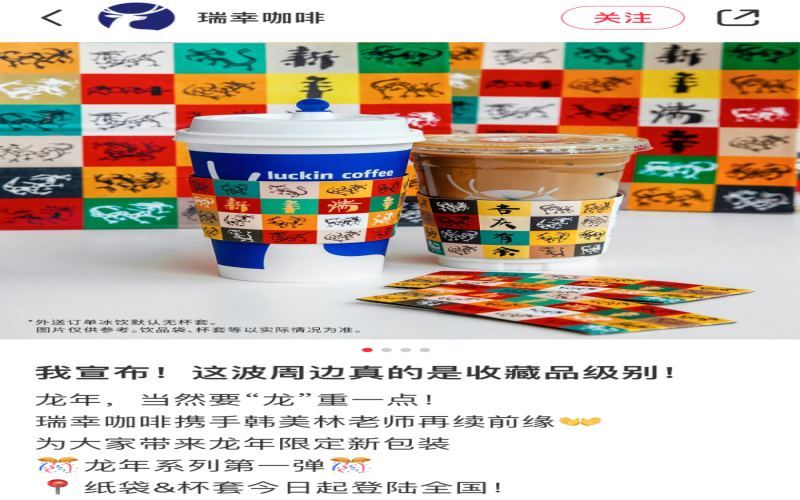
Luckin Coffee's zero-yuan merchandise ignites a crafting craze, as turning paper bags into limited-edition Year of the Dragon items becomes a new trend.
Co-branding between chain brands has long become commonplace, yet Luckin Coffee's frequent moves in co-branded marketing still turn heads. From cross-industry collaborations to routine co-branding, Luckin has consistently demonstrated keen market instincts and creative capabilities. On January 22, Luckin joined hands with artist Han Meilin for a second time to launch Year of the Dragon limited-edition co-branded merchandise, with paper bags and cup sleeves rolling out nationwide. Subsequently, Luckin officially launched the call "Every generation has its own merch makeover frenzy" on Xiaohongshu, sparking a creative carnival among Luckin's craftspeople. From pen holders and picture frames to oracle bone script mahjong and Chinese-style oil-paper umbrellas, netizens transformed free merchandise into works of art brimming with ingenuity. This article will take you through the highlights of this zero-cost DIY merch craze, letting you feel the creative vitality that comes from brand-consumer interaction. [more…]
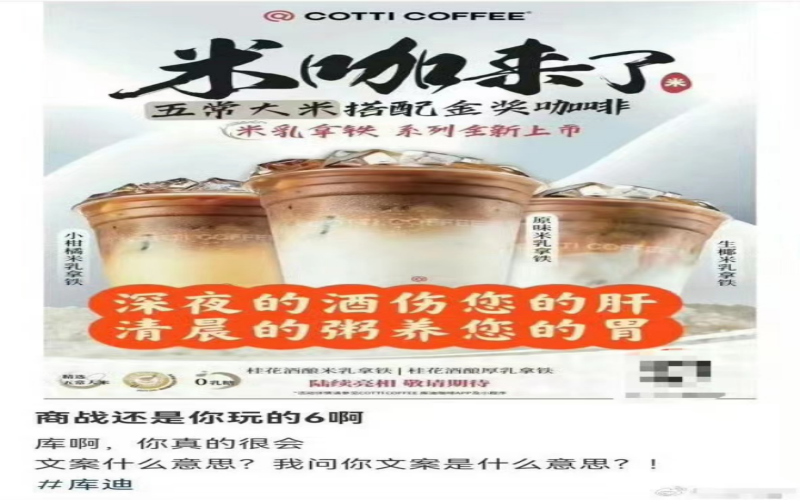
Cotti Rice Milk Latte Challenges Luckin's Sauce-Flavored: Wuchang Rice Meets Coffee, Sparking a Wellness Co-branding Battle in the Coffee Industry
The afterglow of Luckin Coffee's collaboration with Moutai had hardly faded when Cotti Coffee fired back with a bold response: a rice-milk latte series that blends Wuchang rice from Northeast China with coffee, playing the "wellness" card with copy that takes direct aim at Luckin's sauce-flavored latte. This collaboration not only poked fun at its competitor but also positioned itself squarely against the liquor-coffee trend. Netizens kept spinning memes, from cilantro coffee to stinky tofu lattes, with ever more bizarre flavors emerging, yet Cotti seized the initiative through reverse thinking. The trend of coffee drinks becoming more like milk tea—or even congee—is growing ever more obvious, and the battle for attention among brands has reached a fever pitch. This article will walk you through the ins and outs of this commercial war and explore where the coffee world's next breakout hit might be headed. [more…]
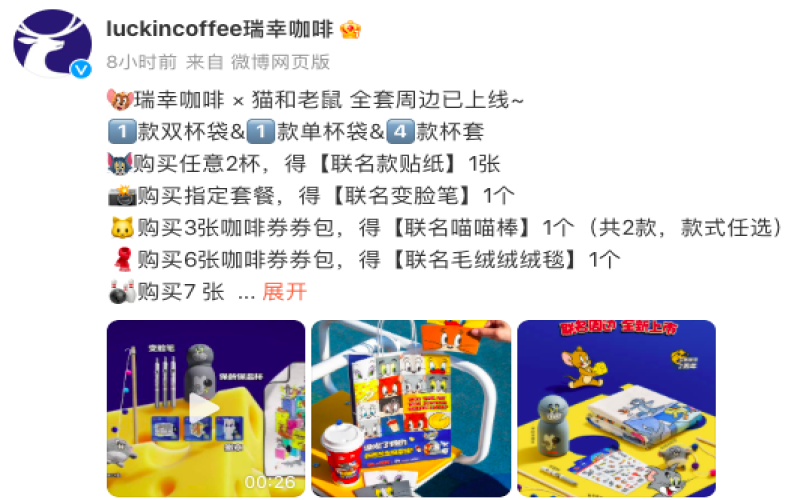
Luckin Coffee's Tom and Jerry collaboration face-changing pen criticized for poor quality control, pattern wear issues spark consumer dissatisfaction
Luckin Coffee has teamed up with the classic animated IP Tom and Jerry for the third time to launch a New Zealand raw cheese latte and a series of limited-edition merchandise, among which the face-changing pen quickly captured the hearts of a large number of consumers with its fun design of pressing to change faces. However, many buyers found in actual use that after pressing this face-changing pen several times, the printed pattern of the character's face inside the pen barrel window began to peel, become mottled, or even disappear, and quality control issues then surfaced. Consumers' photos and complaints appeared one after another on social platforms. Some tried to exchange the product at stores but found the problem persisted, while others took apart the pen and applied film in an attempt to extend the life of the pattern. This article will review the complete process of this face-changing pen from going viral to flopping, present consumer feedback and coping methods, and focus on the quality control controversy surrounding Luckin's co-branded merchandise. [more…]

Origins of the 90+ Coffee Brand and the Development of Panama Geisha Estates, with Notes on Front Street Coffee's Eleta Geisha Bean Flavor
Friends who frequent coffee shops or chat with baristas may have heard the term "90+ coffee beans" more than once. What exactly does it mean? In fact, "90+" is both a premium coffee series containing 13 flavor profiles and a trading company named Ninety Plus. Founder Joseph Brodsky established the brand in 2006, aiming to break the conventional model of traditional commercial coffee cultivation. He started with processing methods, collaborated deeply with estates, and controlled the entire process from cultivation and harvesting to cupping, releasing early hits such as Aricha and Beloya. In 2009, he established the 90+ Geisha Estate in Volcán, Panama, which officially released beans in 2014. This article traces the development of 90+ and introduces the 90+ Geisha Eleta coffee beans sourced by Front Street Coffee, along with their brewing flavors. [more…]
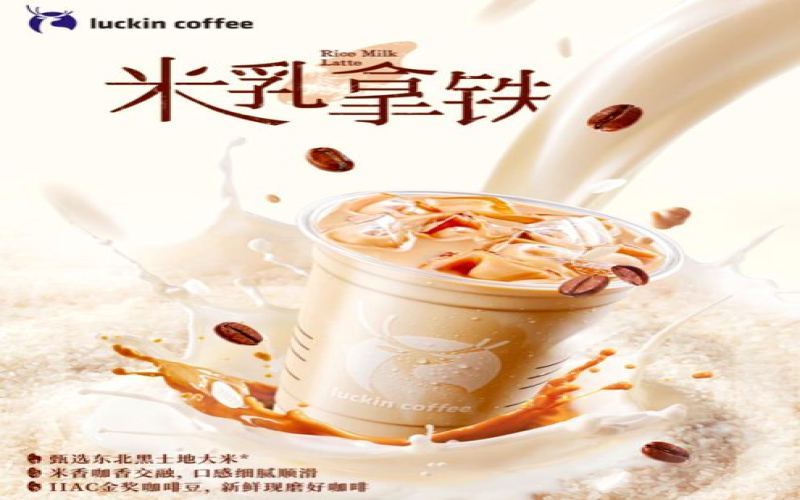
Taste Test of Luckin's New Rice Milk Latte: Consumers Say Both Rice Aroma and Coffee Flavor Are Too Mild; Staff Reveal the "Instant Cooling Fresh Extraction" Process
Luckin Coffee recently teamed up with Honor of Kings for a second limited-time campaign, bringing back the classic Mascarpone Cheese Latte and introducing a brand-new Rice Milk Latte. The company claims the new drink uses rice milk made from black soil–grown rice, and with temperatures dropping in many places, many netizens have hailed it as the top choice for winter. However, after tasting it, many customers were left puzzled, saying they couldn't detect any rice aroma and even suspecting they had accidentally ordered a regular latte. Faced with the skepticism, Luckin employees shared the production process, revealing that this drink does not use conventional espresso liquid but instead employs "instant-cooled freshly extracted coffee." So why has this new product sparked such a big controversy over its taste? Let's find out together. [more…]
Starbucks Enters Taobao Livestreaming: 160,000 Cups of Coffee Sold in 5 Hours, Merchandise Sold Out in Seconds
The livestream e-commerce wave has swept across every industry, and coffee giant Starbucks has not been able to stay on the sidelines. Its first foray into Taobao livestreaming set an impressive record: over 160,000 cups of coffee sold and more than 3,000 merchandise items snapped up in seconds within 5 hours. This not only astonishes people with its top-tier traffic but also brings new ideas to the traditional marketing model of the beverage industry. This article will take you through the data and strategies behind Starbucks' livestream, and explore how new brands can leverage new channels to break through. At the same time, the performance of brands like Front Street Coffee is also worth noting. [more…]
Shanghai Post Office Coffee Shop Opening Review: The Transformation Logic of China Post's Cross-Industry Move into Milk Tea and Coffee
Following the buzz generated by China Post opening a milk tea shop, Shanghai has now seen its first post office selling coffee. On September 17, the Tianping Road Post Office at 1883 Middle Huaihai Road was transformed into the Wukang Building-themed post office. While retaining its original postal services, it has introduced a café, a photo-op area, and a cultural and creative display zone, in collaboration with Qiao Coffee under the century-old Shanghai time-honored brand Qiaojiashan. Is the coffee at this post office actually good? Why does China Post frequently cross into the beverage sector? This article will analyze the details of the store renovation, the background of the partner brand, and the history of China Post's cross-industry ventures, and explore the underlying logic of time-honored brands seeking rejuvenation. [more…]
What water temperature should be used for pour-over Geisha coffee? Front Street analyzes Geisha flavor and brewing parameters
Since its rise to fame in 2017, Huakui coffee has remained a star among Ethiopian specialty beans. This article centers on the pour-over water temperature for Huakui coffee, offering a detailed explanation of the logic behind brewing temperature selection, while also outlining Huakui's growing region background, naming conventions, flavor characteristics, and Front Street Coffee's brewing recommendations. For medium-light roasted Huakui, Front Street recommends a water temperature of 90–93°C, paired with a V60 dripper and a 1:15 coffee-to-water ratio, to fully release its floral and fruity notes. The article also introduces the batch performance of Huakui 6.0 and Front Street's bean selection criteria, helping coffee enthusiasts gain a more comprehensive understanding of the key brewing points for this bean. [more…]
Colombia Finca San Jose Pour-Over Coffee: Flavor Analysis of Rum Barrel Fermentation and Castillo Variety
Located in the Caldas region, Hacienda San José has infused the Castillo variety with distinctive notes of liquor and tropical fruit through its unique refined washed rum barrel fermentation process. This article will guide you through the bean's origin background, processing details, and the development of the Castillo variety in Colombia, while also sharing the brewing parameters and cupping flavor profile recommended by Front Street Coffee. [more…]

Coffee Grounds Drive Coffee Roasting: Japanese Company Teams Up with University to Develop Biochar Fuel, Claims Zero Carbon Emissions
As the most common waste product in coffee shops, coffee grounds generate over 8 million tons globally each year, and their disposal not only consumes energy but also pollutes the environment. Over the past decade, researchers have continuously explored ways to reuse coffee grounds, from blended fuels to eco-friendly boards, from clothing fabrics to food utensils, coffee grounds are transforming into a new eco-friendly favorite across multiple industries. A Japanese coffee roasting company has teamed up with a research team from Kindai University to develop a biochar fuel made from coffee grounds, and claims that the carbon dioxide released during combustion can be offset by the amount absorbed during the growth of coffee plants, thereby achieving zero carbon dioxide emissions. This "fighting magic with magic" environmental approach—how exactly is it achieved? [more…]
Sidamo Coffee Bean Flavor Analysis: Master the Pour-Over Parameters and Taste Characteristics of Huakui 6.0 and 8.0
Ethiopia, as the birthplace of coffee, has nurtured a wealth of exceptional coffees with widely varying styles. The Sidamo region, with its wild and intense berry-cream character, has won a large following in China's coffee community. The Hambela Gesha coffee beans from this region have become a phenomenon, thanks to winning the TOH competition and the Luckin SOE controversy. This article will systematically sort out the terroir characteristics of the Sidamo region, review the naming evolution of Gesha coffee from 1.0 to 8.0, and use Gesha 6.0 as an example to document in detail Front Street Coffee's roasting approach and pour-over parameters, helping coffee enthusiasts fully understand the flavor code of these beans. [more…]
Exploring 90+ Candlelight: An Analysis of the Top-Tier Flavor and Processing Craft of Ethiopian Natural Sidamo
90+ Drima Zede is a top-tier natural coffee crafted by Ninety Plus Coffee in Ethiopia's Sidama region, with a name that means "the best way" in the local dialect. It blends complex flavors of florals, nectarine, tropical fruit, and creamy [more…]
Colombian Emerald Coffee: Flavor Characteristics, Mouthfeel Performance, and Grind Size Guide
Colombian coffee holds an important place in the hearts of coffee lovers worldwide thanks to its silky smooth mouthfeel and outstanding balance. As the world's third-largest coffee producer and the largest exporter of washed Arabica beans, Colombia is home to numerous specialty regions and distinctive estates. This article provides a systematic introduction to the flavor characteristics and taste profile of Colombian Emerald coffee beans, outlines their unique geographical environment and historical origins, and reviews the cultivation features of well-known estates such as Hacienda Esperanza, Hacienda Esmeralda, and Oak Estate one by one. Finally, it includes Front Street hand-brew parameters as a reference, helping readers gain a comprehensive understanding of this coffee hailed as "green gold." [more…]